France vs England World Cup 2026 Third-Place Playoff
· The Curator @ WildlyPlay
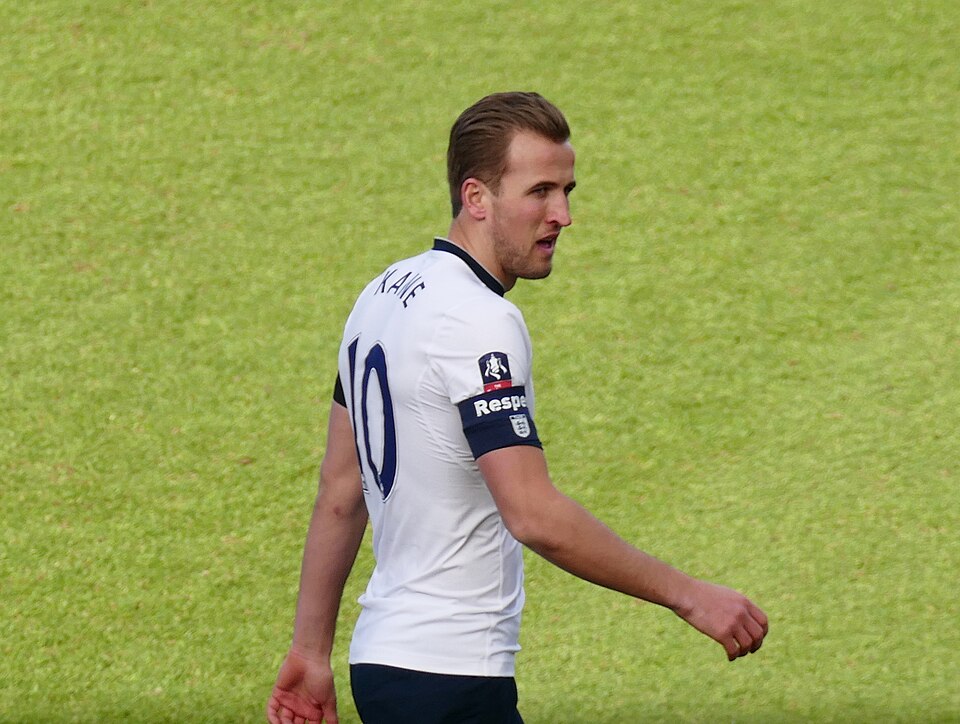 "Harry Kane (24685589756).jpg" - enviro warrior from england, CC BY-SA 2.0, via Wikimedia Commons
France face England in the FIFA World Cup 2026 third-place playoff on 18 July 2026 at 21:00 UTC, with both sides competing for the bronze medal after elimination from the knockout stages.
Third-place playoffs occupy an unusual space in tournament football. Both teams arrive having just lost semi-final matches, and the psychological impact of that defeat often shapes preparation more than the bronze itself. For France, the historical pedigree is undeniable—they remain among the tournament favourites on paper and possess the squad depth to rotate without catastrophic loss of quality. England likewise carries strong credentials and will approach the match with professional intent, though both camps face the practical reality that squad rotation is almost inevitable.
Team Form and Recent Trajectory
France's path to the semi-final stage will have tested their consistency across multiple knockout ties. They typically rely on a blend of experienced core players and emerging talent, with defensive solidity and creative midfield play as hallmarks. England's tournament trajectory will similarly reveal whether their squad has maintained momentum through the latter stages, particularly in areas where they have traditionally sought improvement—converting chances and controlling possession in tight contests.
The third-place playoff format almost guarantees rotation. Managers use it to manage fatigue, blood younger players, and provide minutes to squad members who haven't featured heavily. This unpredictability is the match's defining characteristic: line-up sheets will tell the real story only when released near kickoff.
Key Players and Tactical Outlook
Both France and England possess players capable of decisive individual contributions. France's ability to construct play through the middle and transition quickly will remain central to their approach, even with possible personnel changes. England's counter-attacking instincts and set-piece organisation are organisational strengths that tend to persist regardless of specific starting XI composition.
Tactically, expect flexibility. Managers may experiment with formations or pressing intensity knowing the stakes, while still sufficient to maintain match competitiveness. The team that retains better organisation in transition—moving from defence to attack and vice versa—often controls these fixtures.
What to Watch For
The true indicator of this match's character emerges once team sheets drop. If either side fields a largely first-choice eleven, expect a tighter, more intense contest. If both rotate heavily, the match may lack the sharpness of earlier knockout rounds but could feature interesting tactical experiments.
Set pieces will carry weight—both teams defend and attack from standards with specific structures. Early momentum will matter; whichever side settles first and avoids early errors often establishes psychological advantage in a fixture where neither team enters with peak emotional investment.
The bronze medal itself represents genuine achievement—only four teams reach the semi-finals—and professionalism usually ensures both sides compete seriously, even if preparation differs from earlier rounds.
AI-written coverage. No play taken — we're watching this match, not betting it.
AI-written coverage. No play taken — we’re watching this match, not betting it.